
Freezing vs. Canning vs. Dehydrating vs. Freeze Drying...and When to Use Each.
- Jamie Bateman

- Apr 10
- 3 min read
If there’s one thing we’ve learned over the years, it’s this: Not everything needs to be canned.
It's spring harvest season in Florida at the time that we share this, and knowing when to freeze, can, dehydrate, or freeze dry can make all the difference, not just in how your food tastes, but in how efficiently your kitchen runs. Whether your picking your own fresh fruits and vegetables or you're buying seasonal crops from your local farmers markets, knowing what to do with your food now will save you time in the future, and reduce food waste.
Let’s take this a step further.
Freezing: For Freshness & Flexibility

Freezing is often overlooked but it’s one of the most practical tools we have.
Use freezing when:
You want to preserve texture (like berries or peppers)
You’re short on time during harvest
You plan to use the food within a few months
Foods we prefer to freeze:
Corn
Berries (blueberries, raspberries, strawberries)
Meat (chicken, beef, etc.)
Broccoli
Buttermilk (Cream, milk)
Breads/Cakes/Cupcakes
Freezer Jams (strawberry, blueberry, raspberry)
Homestead Tip:
1- Freeze in portions you’ll actually use. It saves time later and prevents waste.
2- Love buttermilk biscuits, but don't want to waste the buttermilk? Freeze it in 1 cup increments for a quick grab when making those scrumptious biscuits.
Canning: For Stability & Security
Canning shines when you’re thinking long-term.

Use canning when:
You want shelf-stable meals
You’re preserving in bulk
You’re building a pantry you can rely on
What we love to can:
Green Beans
Peas (Black eyes, Zippers, Purple Hulls)
Potatoes
Tomato (Sauce, stewed, crushed)
Meat (chicken, beef tips, hamburger, pork, turkey)
Soups
Jelly (water bath method)
Cranberries
Salsa
Homestead Tip:
Think in meals, not just ingredients...soups, sauces, and ready-to-use jars make a huge difference on busy days.
Dehydrating: For Efficiency & Storage
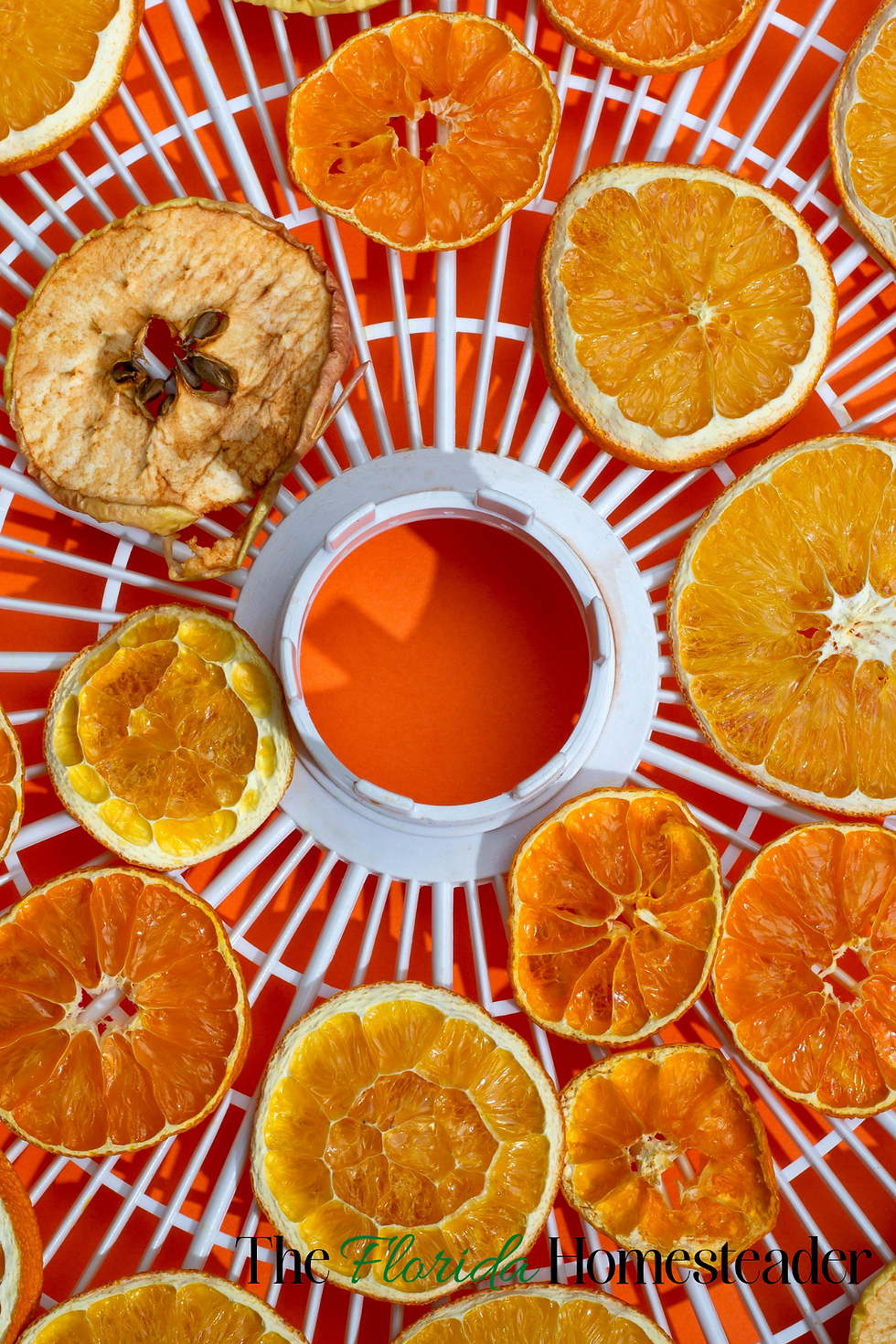
Dehydrating is one of the most underutilized methods.
Use dehydrating when:
You’re working with herbs or excess produce
You need to save space
You want lightweight, long-lasting food
What we love to dehydrate:
Bananas
Strawberries
Herbs
Meat (jerky...this takes some steps to accomplish)
Apples
Cantalope
Homestead Tip:
Dehydrated foods are perfect for adding into soups, stews, or quick meals later. They also make great snacks! Have bananas ready to eat? Dehydrate them for a satisfying snack to enjoy later.
Freeze Drying (Long-Term Storage Without Losing Quality)

If you’ve heard more people talking about freeze drying lately, you’re not imagining it. It’s becoming a popular option for those who want long-term storage without sacrificing quality.
Why use it:
Preserves food for years...we're talking 20+ years (not just months)
Keeps original shape, flavor, and most nutrients
Extremely lightweight and shelf-stable
Rehydrates well when you’re ready to use it
Think of this as long-term pantry storage with near-fresh quality.
We love freeze drying these:
Fruits (strawberries, bananas, blueberries)
Vegetables (corn, broccoli, mushrooms, potatoes, tomatoes, beets)
Eggs
Full meals (soups, casseroles, leftovers)
Meats
Milk (buttermilk, cream, breast milk, milk, whey)
Homestead Tip:
Freeze Dried foods have quickly found their way into our families every day meals. Just ask our grands! They love freeze dried fruit and we love giving that to them versus candy or store bought fruit snacks. From rehydrating eggs on the go, to adding mushrooms into a stew, or grinding down onions into powder, Freeze Dried foods are a great way to preserve the harvest for years later...unless you eat them before then.
A Simpler Way to Think About It
Instead of asking: “Which method is best?”
Ask: “How will I use this later?”
That one question will guide your decision every time.
This Is What It’s All About
Canning is a beautiful skill but it’s just one piece of a much bigger picture.
It’s about:
Using what you have wisely
Reducing waste
Building a kitchen that works for your family
So whether you are canning, freezing, dehydrating, or freeze drying your food, know that the steps you take today will pay off greatly in the future.
We'd love to hear from you!
Share with us what method you're working with and what goals you have for your kitchen.


Comments